If I could only carry one lens for the rest of my career, it would be the 50mm.
In the world of Dimensional Portraiture, our goal is not just to capture a face, but to capture the truth of a human connection. We want to strip away the barriers between the subject and the viewer.
The 50mm lens is the closest optical equivalent to the human eye. It doesn't distort, it doesn't compress, and it doesn't lie. It sees exactly what you see.
Whether you are shooting high-end commissions in London or capturing candid moments of life, this piece of glass—affectionately known as the "Nifty Fifty"—is the bridge between technical precision and emotional depth.
Here is why this lens is one of the most essential tool in my kit, and which ones I recommend you invest in.

Image credits: Boyd Visuals


The Boyd Edit: My Top 50mm Picks
If you are ready to upgrade your glass immediately, these are the specific lenses I trust and recommend.
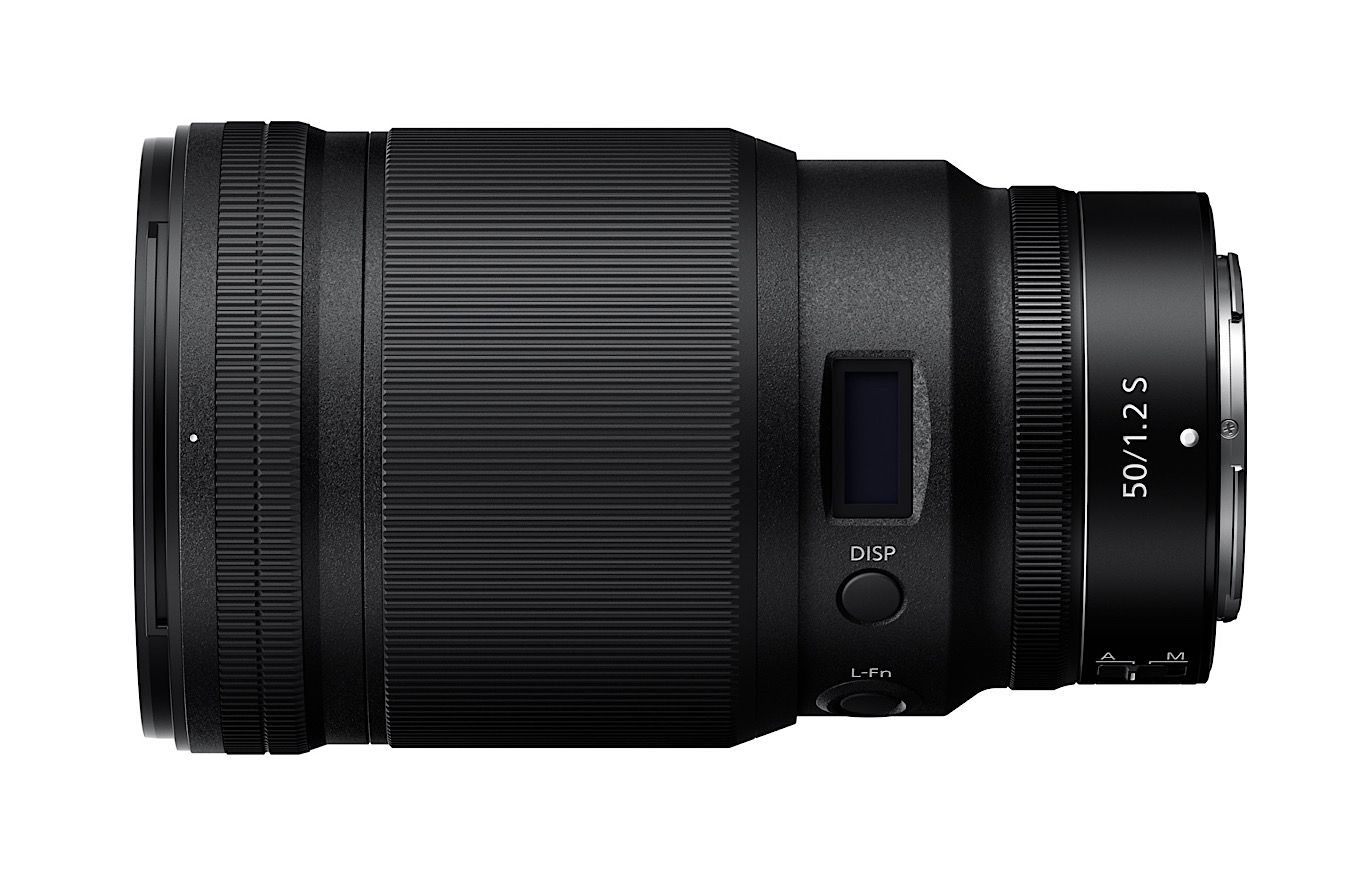
The Ultimate Choice (My Go-To): Nikon Z 50mm f/1.2 S – For when you need absolute cinematic depth and low-light mastery.
This is the lens I use for my signature work.
- The Smart Entry: Nikon Z 50mm f/1.8 S – Incredible sharpness at a more accessible price point. A perfect starting point.
- For Sony Shooters: Sony FE 50mm F1.2 GM – The G Master standard for sharpness and speed.
- For Canon Shooters: Canon RF 50mm F1.2 L USM – Legendary 'L' series glass that defines the Canon look.
1. The Art of "Honest" Perspective
Many photographers rush to buy a 70-200mm zoom or a wide-angle lens to add drama. But true drama comes from authenticity.
The 50mm focal length offers a field of view that feels completely natural. When you look at a portrait shot on a 50mm, your brain doesn't have to "decode" the image. It feels like you are standing right there in the room with the subject.
For my Personal Branding clients, this is crucial. We aren't trying to create a caricature of them; we are trying to present their authentic self. The 50mm allows me to be close enough to converse, but far enough away to give them space to breathe.

Photo credit: Canva
2. Sculpting with Light (The Low Light Advantage)
Dimensional Portraiture relies on shadow as much as light. We want that cinematic, moody feel that gives an image weight.
Standard zoom lenses (like a kit lens) often struggle once the sun goes down or when we move indoors. They force you to use a flash, which can kill the mood.
A prime 50mm lens, specifically the Nikon Z 50mm f/1.8 S or the powerhouse Nikon Z 50mm f/1.2 S, allows for massive amounts of light to hit the sensor.
This means I can shoot in a dimly lit studio or a moody London street at dusk without artificial light. I can capture the atmosphere exactly as it is. It creates images that feel cinematic, not manufactured.

Photo credits: Boyd Visuals


3. Visual Depth: The "Bokeh" Factor
You often hear photographers talk about "Bokeh"—that creamy, blurred background that makes the subject pop.
The 50mm is famous for this. Because of its wide aperture (f/1.8 or f/1.2), it creates a razor-thin plane of focus. I can keep a client's eyes perfectly sharp while melting away the distracting background.
This isn't just a visual trick; it's a storytelling tool. It tells the viewer: "Look here. This is what matters."
4. Nikon Z vs. The Rest: A Note on Glass
I have shot on many systems, but the evolution of the Nikon Z Mount has been a revelation.
The older F-mount lenses were great, but the new Z-mount 50mm lenses are in a different league. Because the mount is wider, more light reaches the corners of the sensor. The sharpness of the Nikon Z 50mm f/1.2 S is frankly absurd, even wide open.
If you are debating between the f/1.8 and the f/1.2:
Get the f/1.8 S if you want a lightweight, incredibly sharp lens for travel and street photography.
Get the f/1.2 S if you are a portrait artist who craves that extra 10% of "magic" and creamy background separation.
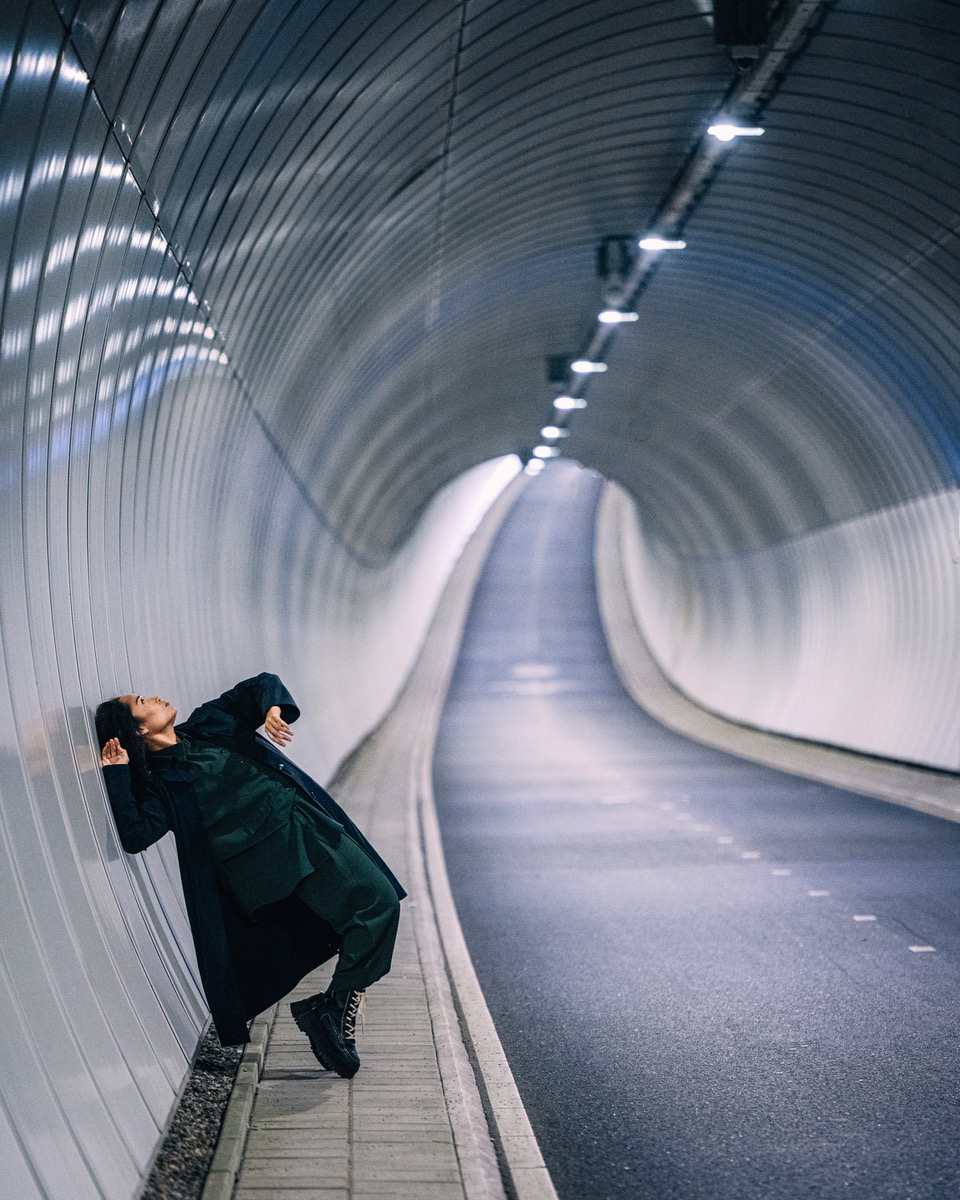
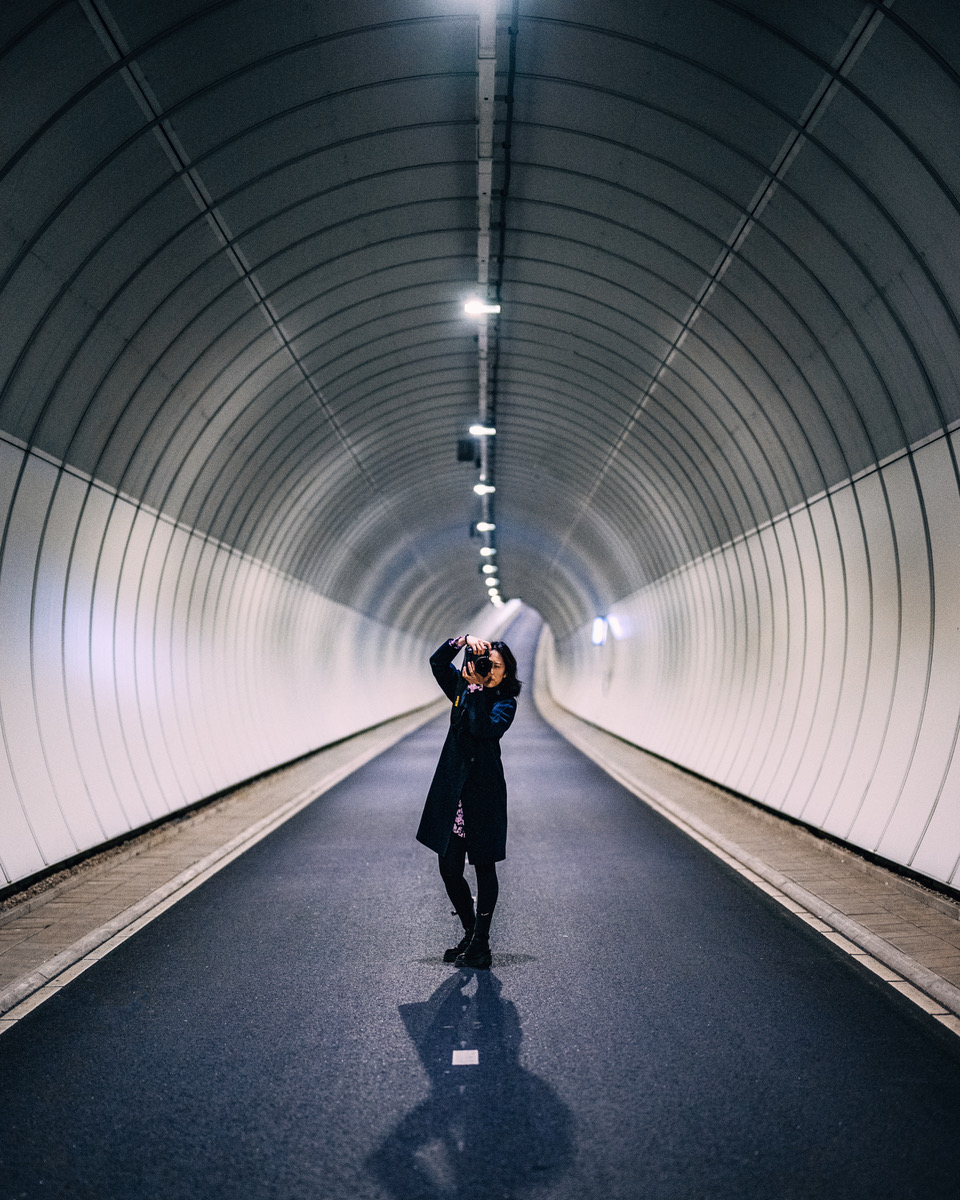
Photo credits: Bemorephotos

5. Tips for Mastering the 50mm
Owning the lens is step one. Mastering it is step two. Here is how I get the best out of it:
- Zoom with your feet: This is a prime lens; it doesn't zoom. If you want a close-up, move closer. This physical movement changes your relationship with the subject and creates better energy.
- Focus on the eyes: With such a shallow depth of field, your focus must be precise. Always lock onto the eye closest to the camera.
- Don't be afraid of the dark: Trust the lens. Turn off the flash, open the aperture to f/1.8 or f/1.2, and see what the natural light gives you.
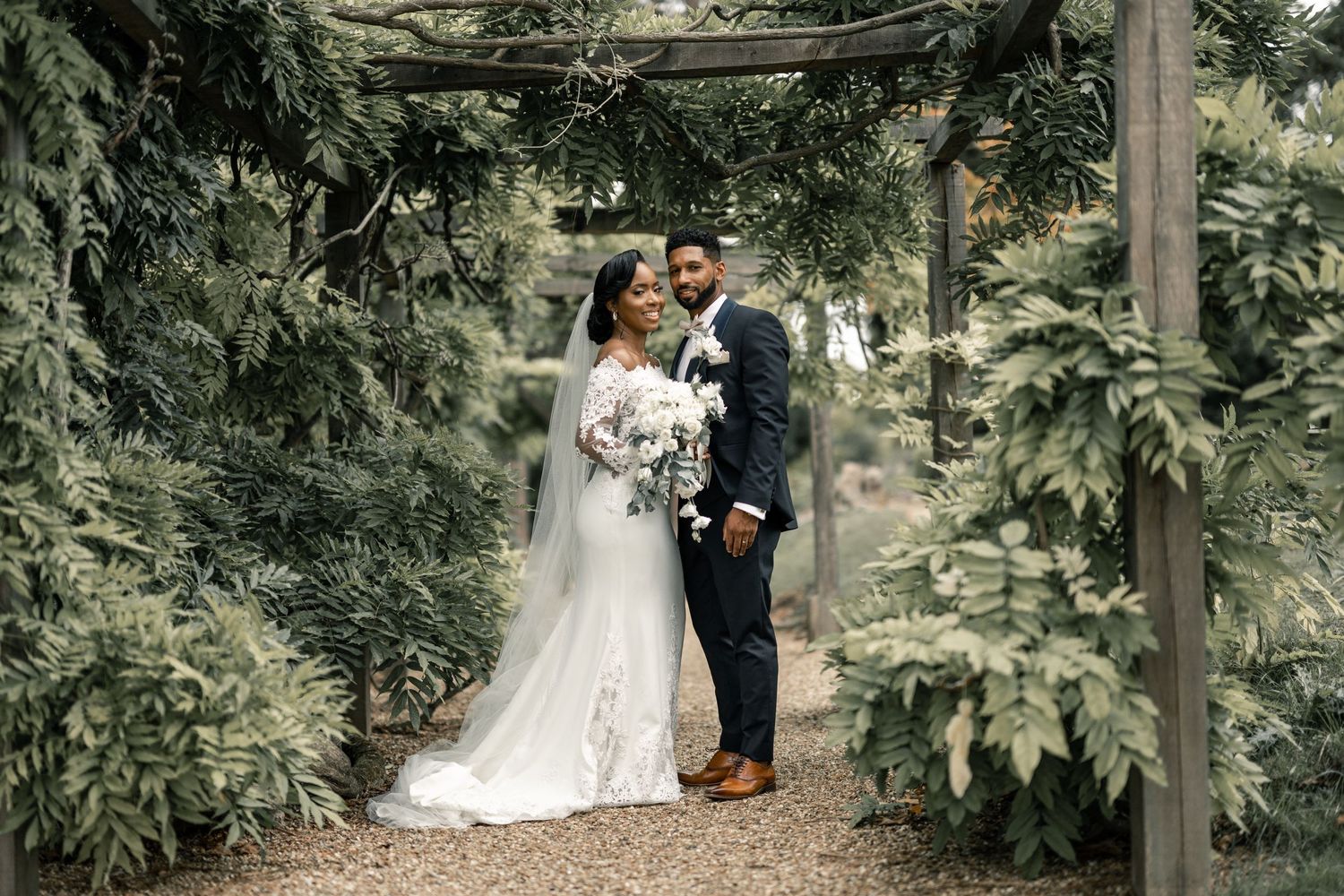
Photo credit: Boyd Visuals
The Verdict
Photography is about removing the barriers between the subject and the viewer. The 50mm lens removes the barrier of "gear." It is simple, honest, and powerful.
If you are looking to move away from flat images and start creating work with visual and emotional depth, this is your first step.
Ready to upgrade your kit?
- Shop the Nikon Z 50mm f/1.2 S here (My personal choice)
- Shop the Nikon Z 50mm f/1.8 S here (Best value for performance)
Keep creating.
— Boyd